
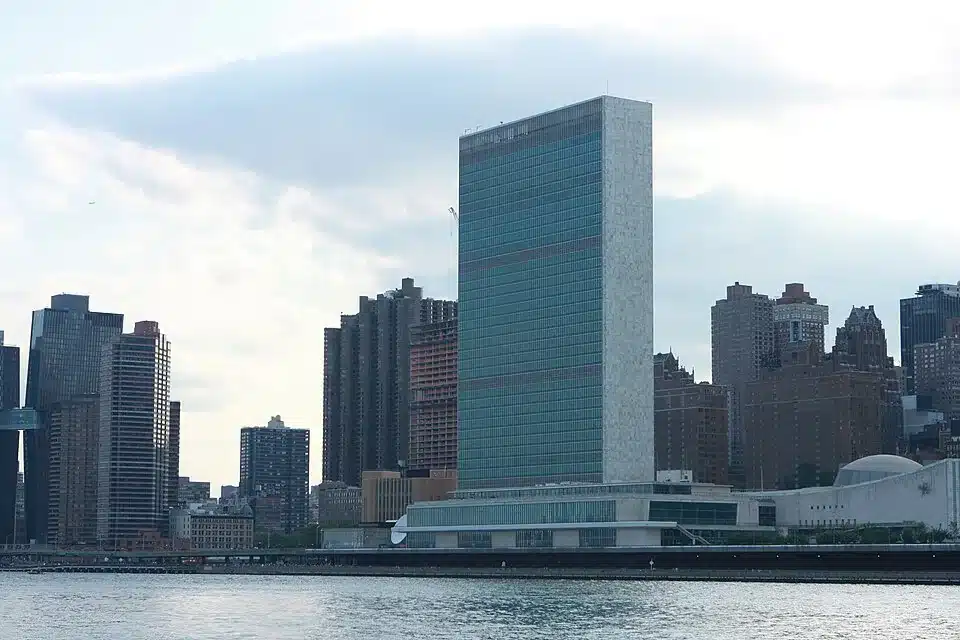
The United Nations General Assembly voted on Wednesday to call for an end to the United States’ economic embargo on Cuba, adopting the annual measure by 130 votes to 17, with 25 abstentions.
The October 28 result left a clear majority supporting the resolution, although backing was lower than a year earlier. AP reported that the previous vote had been 165 in favour and seven against, with 12 abstentions. Germany, Italy and Latvia were among the countries that abstained this time.
Cuba and Washington give different accounts
During the Assembly’s debate, Cuban Foreign Minister Bruno Rodríguez Parrilla said restrictions were affecting daily life through shortages of fuel, medicines, food and other essential goods, Anadolu Agency reported.
US representative Mike Waltz rejected Havana’s explanation, arguing that the island’s economic difficulties primarily reflected the policies of its own government. The two positions framed the debate: Cuba sought international opposition to the embargo, while Washington challenged the Cuban government’s account of the hardship facing its population.
The United States and Israel were among the countries voting against the resolution. Reuters also reported the 130–17 result and the 25 abstentions, independently matching the tally carried by AP.
A diplomatic recommendation, with limits
The resolution does not itself remove US restrictions. The UN describes General Assembly decisions on agenda items of this kind as recommendations to member states. Their adoption records a collective position, rather than automatically changing the national measures under discussion.
The Assembly has renewed its call, but trade and financial restrictions do not change automatically because a majority voted for the measure.
The UN’s published schedule placed the matter before the Assembly’s 28th plenary meeting under agenda item 37, covering the necessity of ending the economic, commercial and financial embargo imposed by the United States against Cuba.
India repeats its call for dialogue
India’s representative called for the embargo to be lifted at the earliest opportunity and said international challenges should be addressed through dialogue and diplomacy. The remarks appear in the UN’s automated transcript of the meeting, which also records the chair announcing the 130–17 vote. That transcript is a meeting aid, rather than the formal voting record.
What the tally shows
Using the figures reported by AP, the resolution received 35 fewer supporting votes than last year. Votes against increased by 10, while abstentions rose by 13. These are comparisons of the two published tallies, not a claim that every country changed its position in the same way.
The outcome therefore carries two messages: most participating states backed the call to end the embargo, and the coalition supporting that call was smaller than at the previous vote. The reasons for an individual government’s choice require its own explanation of vote.
Sources
- Reuters via MarketScreener: vote totals and previous-year comparison.
- UN meeting transcript: 28th plenary, 81st session (automated; not the formal voting record).
- Anadolu Agency: vote and statements, October 28, 2026.
- AP via ITV: current and previous vote totals.
- United Nations: October 28 meeting schedule and agenda.
- United Nations: how General Assembly decisions are made.
AI-assisted report prepared from the linked public sources.


