The Greater Chennai Corporation said on November 9 that it had cleared about 200 tonnes of firecracker waste after Deepavali. The figure was a progress tally while collection continued across the city.
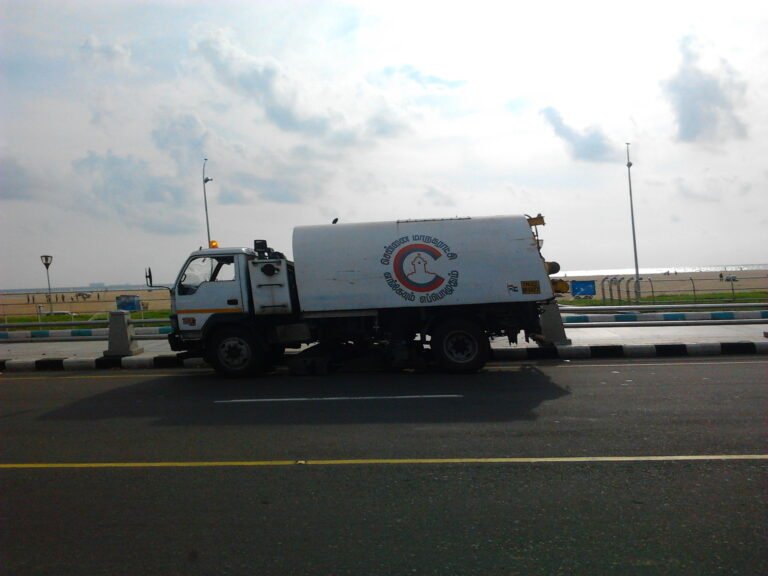
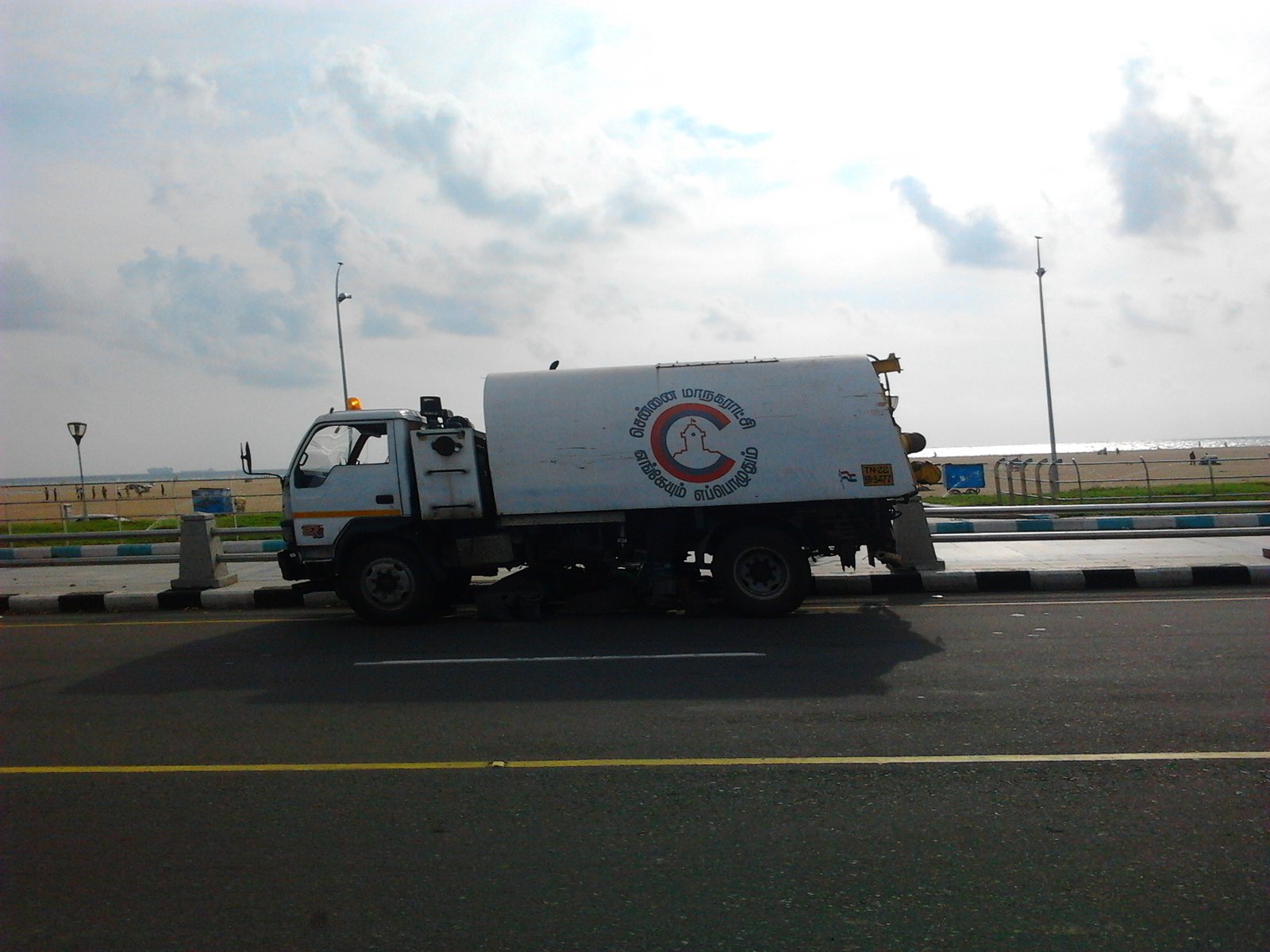
The civic body deployed 600 additional sanitation workers and 350 vehicles, according to a corporation release reported by PTI. Crews received designated bags for separate collection. The corporation said rain had left some residue stuck to road surfaces, slowing the work.
The corporation asked residents to keep firecracker residue separate from ordinary household rubbish and hand it directly to sanitation workers once it had fully cooled. The collected material is to go to a dedicated facility in Gummidipoondi for disposal, PTI reported.
How the city organised collection
The cleanup used a separate collection system for firecracker residue. According to the civic release reported by PTI, Chennai issued 30,000 designated bags to sanitation workers, each with a capacity of 50 kilograms. The bags were distributed for collection across the operation. Their rated capacity does not tell residents how much material was collected in any particular ward or how full each bag was.
The corporation reported deploying vehicles and extra workers across its zones. Their job includes collecting material handed over by households as well as removing residue from streets. Rain made some of that work harder, the corporation said, because wet residue adhered to road surfaces. The pace of the cleanup can therefore differ from one street to the next. The citywide tally does not show that every street had been cleared when the corporation issued its update.
What residents were asked to do
The key request is to separate firecracker residue from the rest of the household rubbish. The corporation asked residents to hand it directly to sanitation workers after it had fully cooled. Leaving residue in a mixed bin or on a public road makes it harder for collection crews to keep it separate. The New Indian Express also reported that the civic body asked residents to keep this material out of stormwater drains and other public spaces.
Apartment managers can relay the instruction to residents and identify the collection point used by their building. The corporation asked residential complexes classified as bulk waste generators to establish a separate collection point for this waste, according to The New Indian Express. If residents are unsure of the collection arrangements in their street, they can ask the local conservancy crew or their building manager where and when to hand it over.
Firecracker waste can include packaging, ash and spent material from the celebration. When the city asks for separate collection, that instruction applies even when some of the discarded material looks like ordinary paper or cardboard. In a building where several households use the same bin area, clear instructions at the collection point can help residents distinguish the designated container from their regular rubbish bins.
How to read the 200-tonne figure
The reported weight was a running total from the corporation’s post-festival update. It describes material cleared by that point, while crews were still working. A later update can report a higher figure as more zones complete collections or send in their totals. The weight of waste cleared and the amount still on streets are different measures, and the initial report does not give a final ward-level breakdown.
The destination named in the civic release is a dedicated facility in Gummidipoondi. Moving separately collected waste there is the last part of a process that begins with households and street crews keeping it apart. For residents, the immediate instruction remains to keep cooled residue separate and hand it to the people collecting it. The corporation’s subsequent figures can show how much of the overall operation has been completed.