WWF-India has appealed to people across Andhra Pradesh to celebrate Diwali without firecrackers. The Press Information Bureau publicised the appeal as part of a nationwide Green Diwali campaign that ran from October 20 to November 8, 2026.
The appeal came from WWF-India’s environmental information programme centre, which is supported by the Union environment ministry. The campaign is part of Mission LiFE, a government initiative that encourages people to make environmentally conscious choices in everyday life.
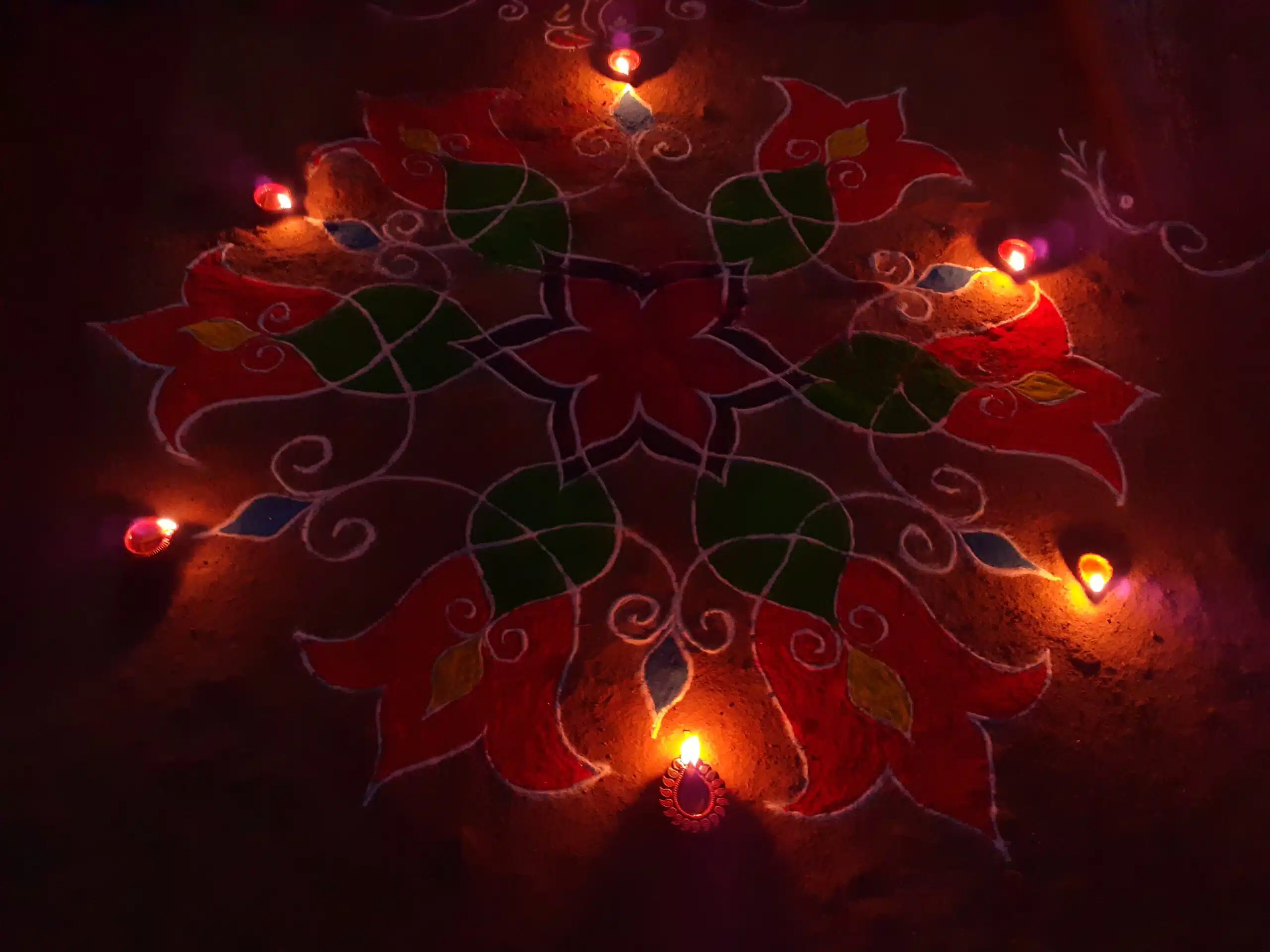
Families looking for quieter ways to celebrate can light diyas, make rangoli, or share sweets with neighbours. WWF-India’s message is a voluntary appeal. Residents should check local authorities for any separate rules that apply in their area.
What the Green Diwali campaign asks of households The Andhra Pradesh appeal puts a national campaign into a familiar setting: the choices families make at home and the plans neighbours make together. The practical request is to skip fireworks while keeping the parts of Deepavali that bring people together. A family can make that decision before buying supplies, and an apartment association can make it before inviting residents to a shared celebration. Neither decision requires changing the way a household observes its prayers or welcomes guests.
One option for a shared celebration is to organise a rangoli activity before dusk, followed by a lamp-lighting and a meal or sweets. In an apartment building, organisers can tell residents beforehand where the gathering will take place and what to bring. A clear plan gives families with children something to look forward to and gives neighbours who prefer a quiet evening time to make their own arrangements.
Why the appeal focuses on shared spaces A fireworks display may last only a few minutes, but its noise carries beyond the people who choose to take part. In a residential lane or an apartment courtyard, the same space serves people celebrating, residents resting and others simply trying to get home. The campaign asks people to account for those neighbours when planning what happens outside their own front door. A common courtyard can still host a celebration, with room left for people to walk through and for residents who want to leave early.
Smoke is another reason the choice matters at the neighbourhood level. The impact on a particular street depends on how many fireworks are set off nearby and on local conditions. The appeal offers a simple way to reduce the smoke a gathering produces by leaving fireworks out of its plans. It does not provide a street-by-street air-quality forecast or measurements showing how much pollution the campaign prevented in Andhra Pradesh.
What residents should check locally The WWF-India appeal is separate from any rules a district or municipality may issue. Anyone looking for binding instructions should consult the notice for their own area and check the date and places it covers. A message forwarded from another city, or a circular from a previous Diwali, may describe different arrangements. Apartment residents can also ask their association what it has arranged for the building’s common areas.
Families organising a gathering can agree on a start and finish time, choose a place that leaves entrances clear, and make time to collect used decorations and food packaging afterwards. If children want to take part, planning the rangoli, decorating a doorway or sharing sweets with neighbours gives them a role in the celebration. Keep lamps on a stable surface and away from materials that can catch fire, especially where guests will be walking.
The nationwide campaign concluded on November 8. Its most immediate message for Andhra Pradesh households is a choice they can make for their own celebration: decide together what they want the evening to include and communicate those plans to the people sharing the space. The announcement sets out the appeal. The way each street or housing community observes Diwali will depend on the choices of its residents.
Source: Press Information Bureau