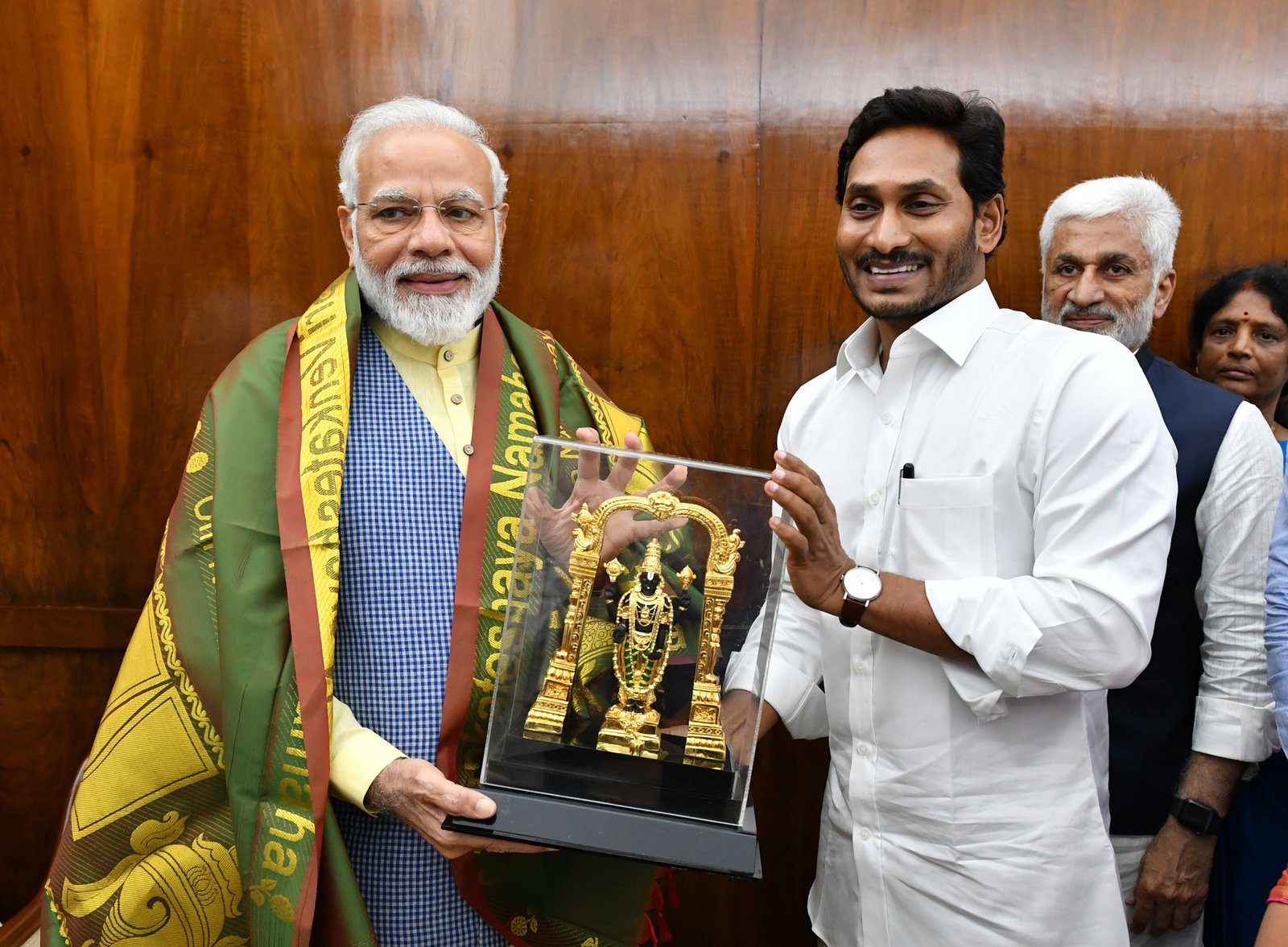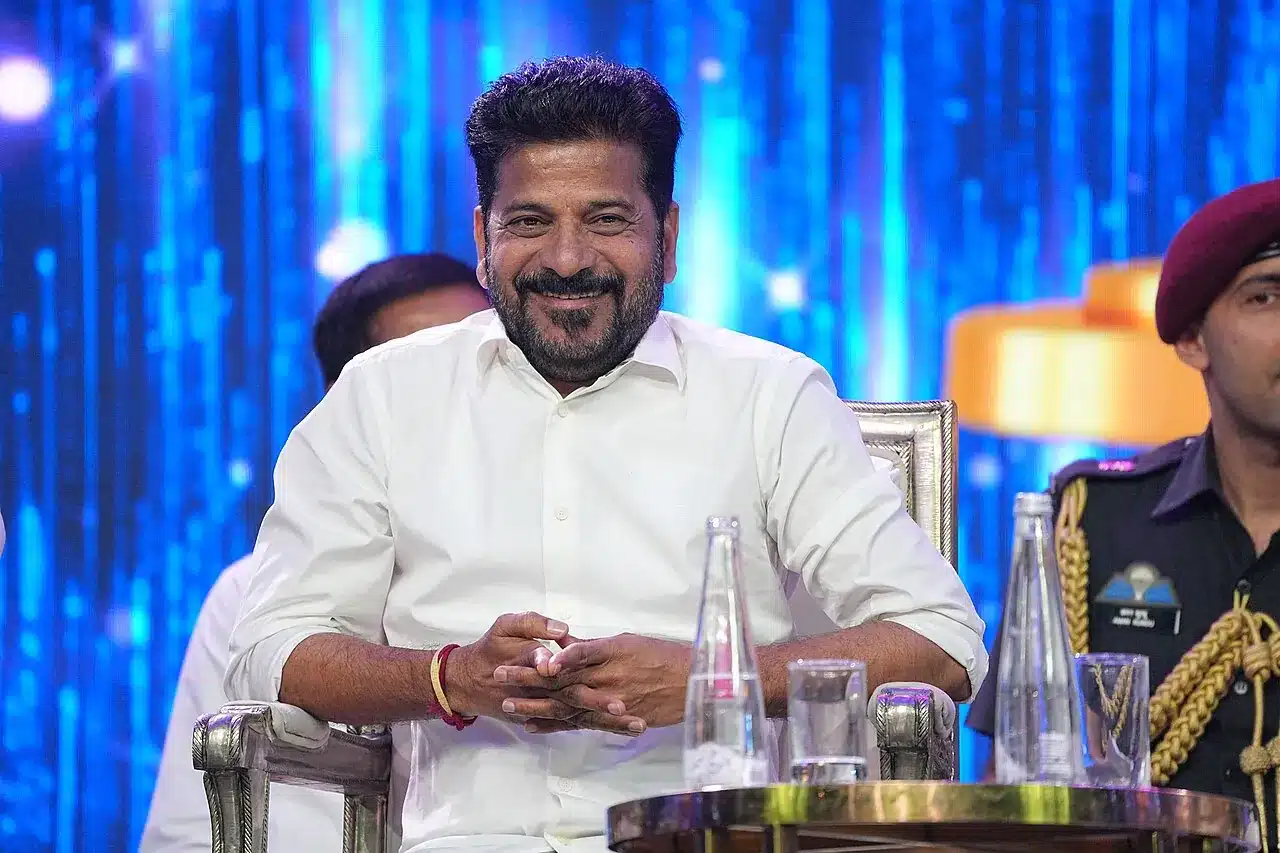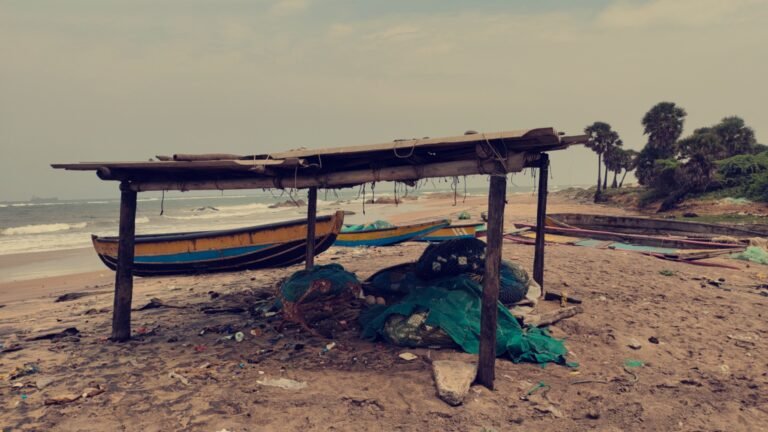
YSR Congress Party president YS Jagan Mohan Reddy marked World Fisheries Day on November 21 with a message to fishing communities, saying he would continue to support their welfare and their children’s future. The former Andhra Pradesh chief minister used the occasion to recall assistance and coastal infrastructure programmes associated with his government.
His statement comes as the annual observance draws attention to the people working across fishing and aquaculture, including those involved in harvesting, handling, processing and selling fish. For Andhra Pradesh readers, it also puts the distinction between welfare spending, infrastructure development and improvements in household livelihoods back in focus.
Jagan’s message to fishing families
Deccan Chronicle’s November 21 report said Jagan conveyed greetings through X and expressed appreciation for the work and resilience of people who earn their living from the sea. He said his administration had prioritised their welfare and development.
He cited benefits worth ₹4,913 crore through various schemes and referred to work on ten fishing harbours and six fish landing centres at a stated cost of ₹3,793 crore. These figures are attributed to Jagan’s message; this report has not audited the expenditure, beneficiary coverage or completion status of each project. His pledge of continuing support is a political commitment, rather than a new government benefit notification.
Namasthe Telangana also reported the message, describing his emphasis on the economic progress of fishing families and opportunities for their children. The immediate news is the former chief minister’s public statement on the observance.
The wider focus of World Fisheries Day
The Food and Agriculture Organization’s 2026 event announcement identifies decent work and opportunities for women and young people as central themes. FAO and the International Labour Organization scheduled a joint discussion on November 20 to mark the day, which is observed annually on November 21.
The announcement highlights unsafe working conditions, gaps in social protection and unequal access to opportunities as challenges in the sector. It also notes additional barriers affecting women and young people, including access to skills and participation in decisions. That framing broadens the discussion beyond the quantity of fish produced or the number of facilities built.
What the Indian research discussion adds
In a separate November 21 development, the Press Information Bureau reported ICAR-CIFRI’s World Fisheries Day programme at Barrackpore. Scientists, fishers from the Sundarbans and Odisha fisheries officials discussed livelihoods, migration and sustainable inland fisheries.
The release gave provisional national fish production of approximately 197.75 lakh tonnes for 2024–25, including around 147.37 lakh tonnes from inland fisheries. It also highlighted women’s roles in harvesting, net making, processing, preservation and marketing. These are national figures and observations, not Andhra Pradesh-specific performance claims.
Participants discussed information about welfare schemes, institutional coordination and social security for fish workers. The programme also addressed wetland restoration, native fish species, breeding habitats and climate-resilient management. These subjects show how livelihood policy and the condition of aquatic resources can be considered together.
Reading the welfare and infrastructure figures carefully
Context and analysis: Financial assistance and a harbour serve different purposes. Assistance can support households facing an immediate income problem, while infrastructure is intended to provide services over time. Evaluating either requires more detail than a total announced amount: the relevant period, who qualified, what was delivered and whether people could use it.
For a harbour or landing centre, useful questions include whether it is functioning, which communities it serves and what facilities are available. For a welfare payment, the corresponding questions concern eligibility, receipt and timing. Keeping those measures distinct makes it easier to assess political statements against outcomes for fishing families.
What the message means for readers
Jagan’s remarks reaffirm YSRCP’s stated interest in coastal livelihoods and its account of earlier welfare programmes. They do not announce a new application process. Anyone seeking current assistance should rely on a dated notification from the responsible government department, with clear eligibility and application details, rather than infer entitlement from an anniversary greeting.
Reporting note: Published November 22, 2026, following the November 21 observance. Jagan’s claims are attributed to the linked news reports. FAO and ICAR-CIFRI material supplies separate sector background; it does not validate the party’s spending claims.