
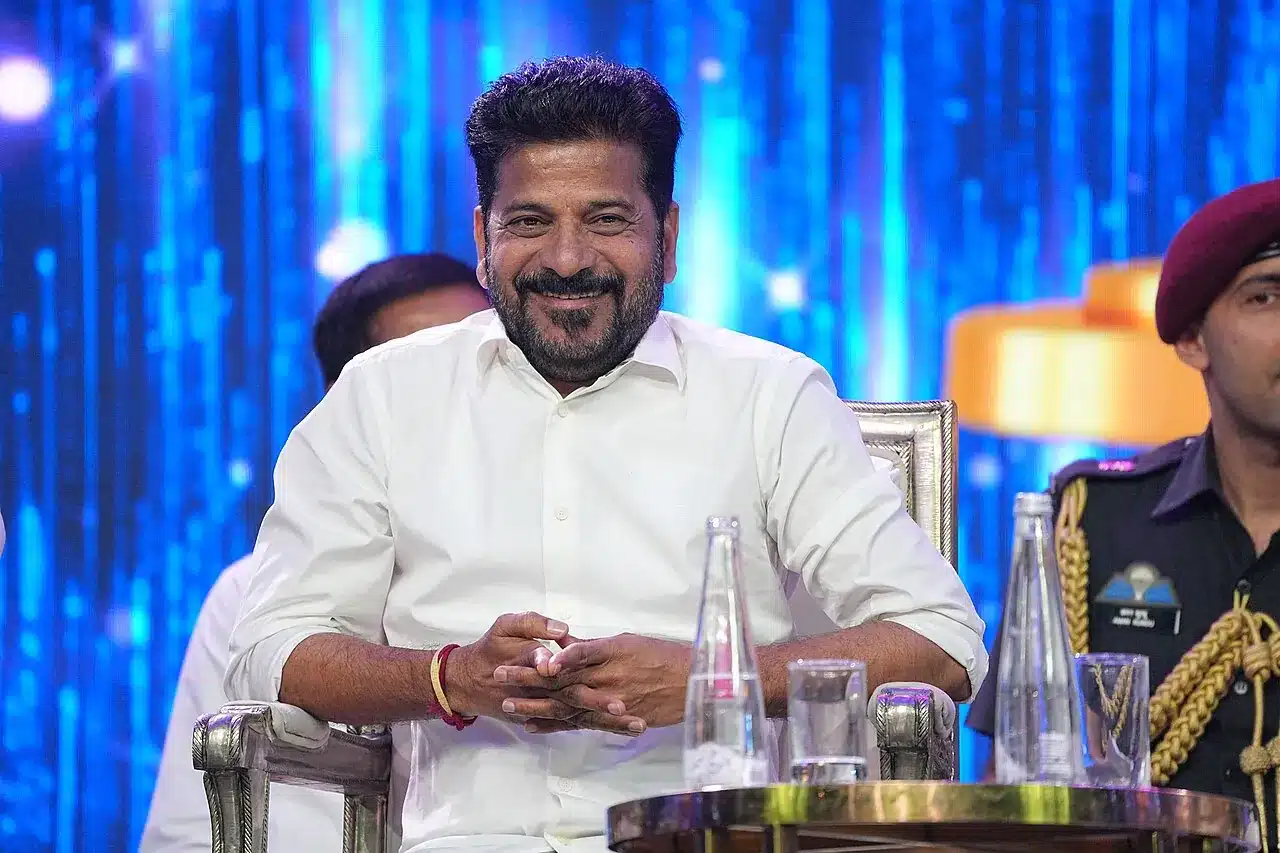
Telangana and Maharashtra have moved discussions on the proposed Tummidihatti barrage towards a joint technical examination following talks between Chief Ministers A. Revanth Reddy and Devendra Fadnavis in Mumbai on October 26.
The New Indian Express reported on October 27 that the states agreed to form a committee headed by their irrigation principal secretaries. The examination will cover the proposed barrage height, water availability, submergence and effects on agricultural land. It is a step towards assessing the proposal, not an announcement of final approval.
What Telangana is asking for
Telangana is seeking consideration of a 152-metre level rather than the 148-metre height provided for in the earlier agreement, according to the state’s published account of preparations for the talks. The project concerns the Pranahita river along the Telangana–Maharashtra border.
The Telangana government’s October 23 release said officials had been directed to prepare technical reports on water availability and submergence. It described the aim as providing irrigation to two lakh acres in the undivided Adilabad region. That is the state’s stated objective, rather than an independently verified outcome of a completed project.
A study is different from a construction clearance
The New Indian Express reported that Maharashtra would conduct its own assessment and that technical, environmental and administrative steps remained before a final decision. An ANI account carried by Webindia123 likewise described Fadnavis proposing a joint committee and further consultations.
Blooming 9 News analysis: Agreement to examine a proposal narrows the next stage of discussion to evidence. It does not settle the engineering design, identify all affected parcels of land or establish that work can begin. Those are separate questions that require their own documents and decisions.
Why the review matters on both sides of the border
A higher proposed water level needs to be assessed alongside the land and communities it could affect. The relevant comparison is not simply whether one height stores more water. It also includes water availability, the extent of submergence and the arrangements needed for any affected agricultural land.
Readers should distinguish an estimate presented by one state from a finding accepted by both. Differences between technical assessments need to be resolved through the review process; they should not be reported as though the committee has already reached a conclusion.
What to watch next
The next concrete milestones are the committee’s formal constitution, its terms of reference, the technical findings and any subsequent inter-state decision. A timeline for discussions is different from a construction schedule. No completion date or guaranteed start of work is asserted in this report.
This account is based on public releases and attributed reporting. Blooming 9 News has not independently surveyed the proposed site or assessed the engineering calculations.
Sources
- Telangana government: preparations for barrage talks, October 23, 2026.
- The New Indian Express: joint committee and technical review, October 27.
- ANI via Webindia123: October 26 meeting account.
AI-assisted article prepared from the linked public sources.


