GOA, November 25, 2026: Comedy, family relationships and the place of regional storytelling in popular cinema came into focus at the International Film Festival of India on Wednesday. Filmmaker Anil Ravipudi discussed the craft behind his Telugu entertainer Mana Shankara Vara Prasad Garu, while separate festival interactions introduced the concerns at the heart of Bhai Band and Baapya.
The three films approach audiences through different languages and settings. Their appearances at IFFI offer a useful view of how entertainment can engage with familiar pressures: professional commitments, changing livelihoods and the desire to be accepted by one’s family. This is a report on the festival’s press interactions, rather than a review of the completed films.
Ravipudi on writing humour for a family audience
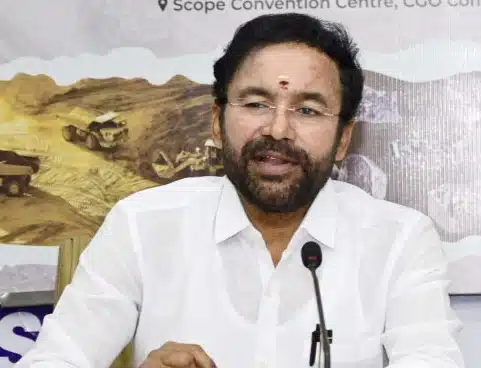
At his November 25 press conference, Ravipudi described making audiences laugh as demanding creative work. According to the Press Information Bureau’s official account, he discussed the difficulty of balancing humour, family emotions and the expectations attached to Chiranjeevi.
The 164-minute Telugu film is among five titles selected for the Mainstream Cinema section of Indian Panorama. Its story follows a national security officer whose work has separated him from his wife and children. His attempt to reconnect with them, six years later, brings professional identity and personal responsibility into the same narrative.
Ravipudi credited his writing team and welcomed recognition for mainstream cinema within the festival. Actor Catherine Tresa and producers Sahu Garapati and K. Sushmita also attended the interaction. The filmmaker’s remarks underline a creative challenge often hidden by the apparent ease of a successful comic scene: the intended laugh must still fit the characters and the emotions surrounding it.
Bhai Band brings technological change into a family story
Another November 25 presentation, Bhai Band, appeared in IFFI’s Gala Premiere section. Director Manish Saini’s Gujarati film follows two brothers working in a traditional village wedding band, according to a separate PIB release.
After a disagreement divides them, one brother returns with a DJ system and speakers. That shift creates competition for the traditional band and provides the story with a question that extends beyond music: what happens to relationships when technology changes the value of an established occupation?
Saini said the story’s Gujarati setting does not limit its wider relevance. Actor Shraddha Dangar also spoke about her character and experience with the team. The premise gives audiences a recognisable conflict without requiring every viewer to share the same local wedding traditions. The emotional stakes sit within the brothers’ relationship, while the equipment represents a change in how they make a living.
Baapya puts acceptance at the centre
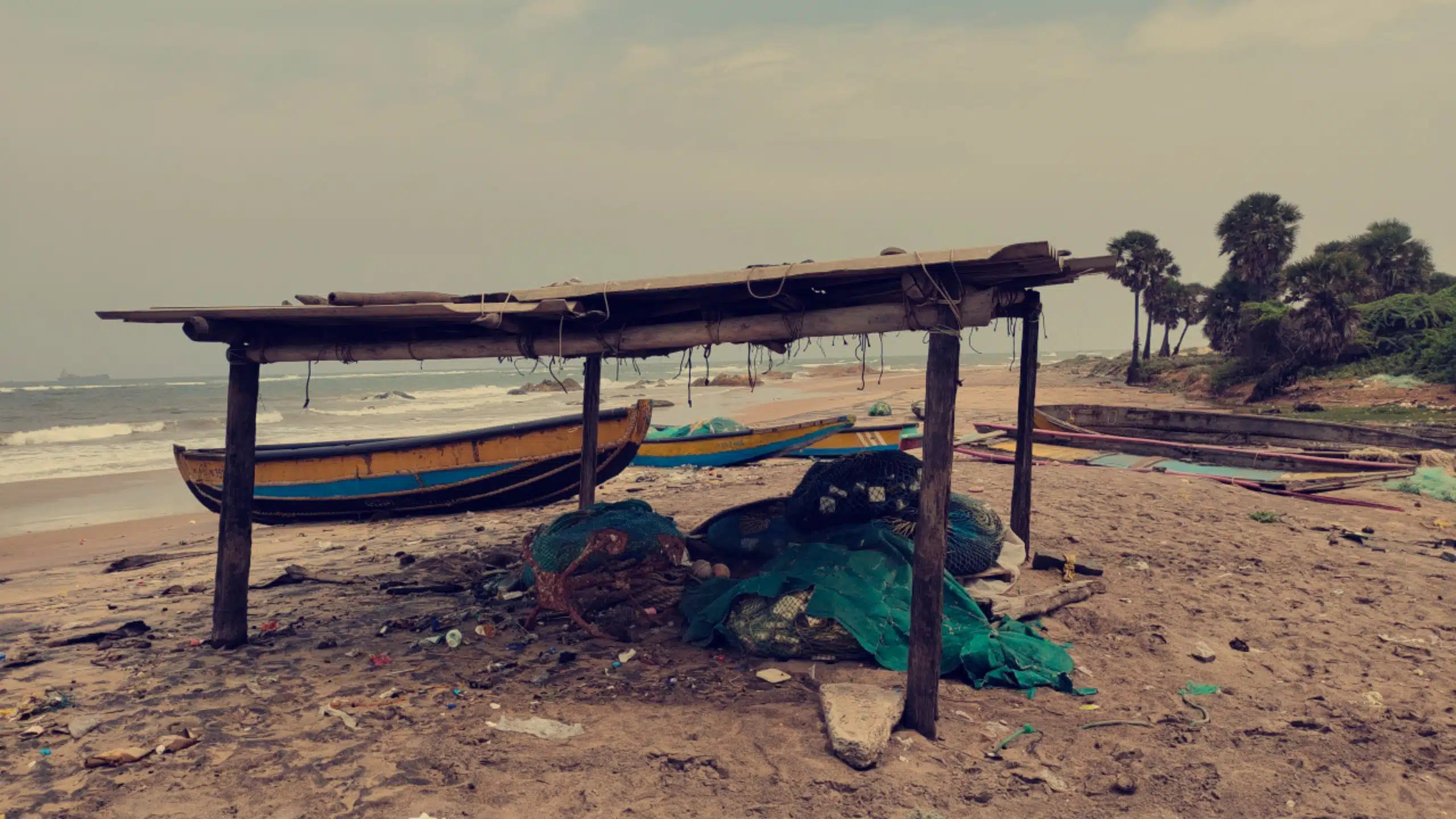
Marathi comedy-drama Baapya brought another perspective to the festival’s mainstream selection. Set in coastal Maharashtra, it examines gender identity, family connections and social acceptance. Director-producer Samir Tewari and actor Girish Kulkarni discussed the film at an official media interaction on November 25.
Tewari framed it as a story about an individual wishing to live as themselves and the people around them learning acceptance. He said the intention was to tell a story rather than deliver a lecture. That distinction is relevant to the way social themes enter entertainment: a character’s choices can carry the subject through situations and relationships, rather than through an explicit instruction to viewers.
What these festival conversations show
Together, the interactions demonstrate the range contained within the phrase regional cinema. A Telugu star vehicle, a Gujarati story about a wedding band and a Marathi relationship drama need not share a style to occupy the same festival conversation. Each offers a different route into questions about belonging and change.
Festival selection should also be distinguished from a new theatrical release, a streaming announcement or an award victory. These press accounts establish the films’ IFFI presentations and the participants’ comments. They do not, by themselves, confirm new release arrangements or future commercial results.
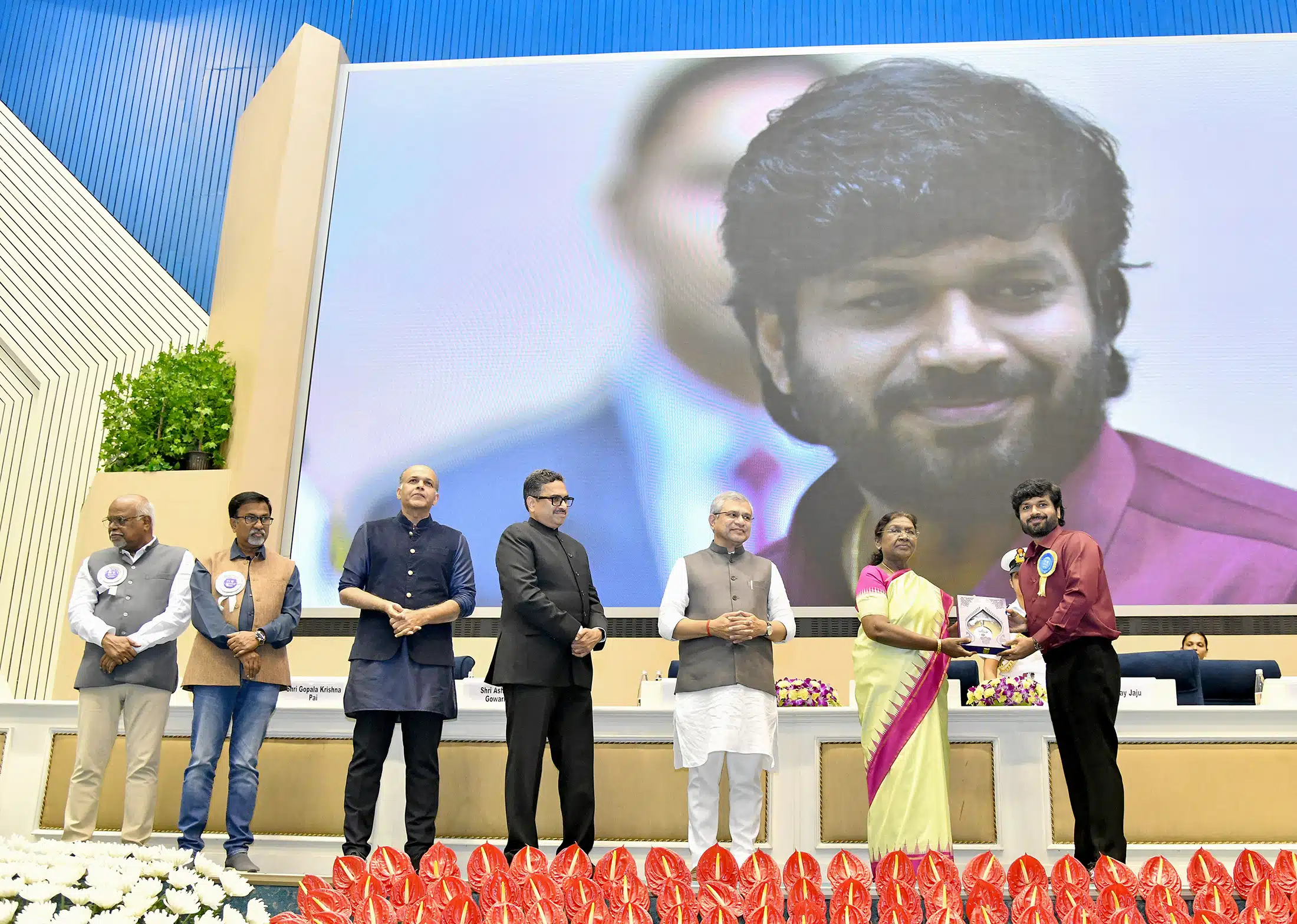
Source note: Based on three PIB festival reports dated November 25, 2026. Plot descriptions are attributed to those official accounts; interpretive connections between the films are editorial analysis. The feature image shows Anil Ravipudi receiving a National Film Award in September 2025, not IFFI 2026.