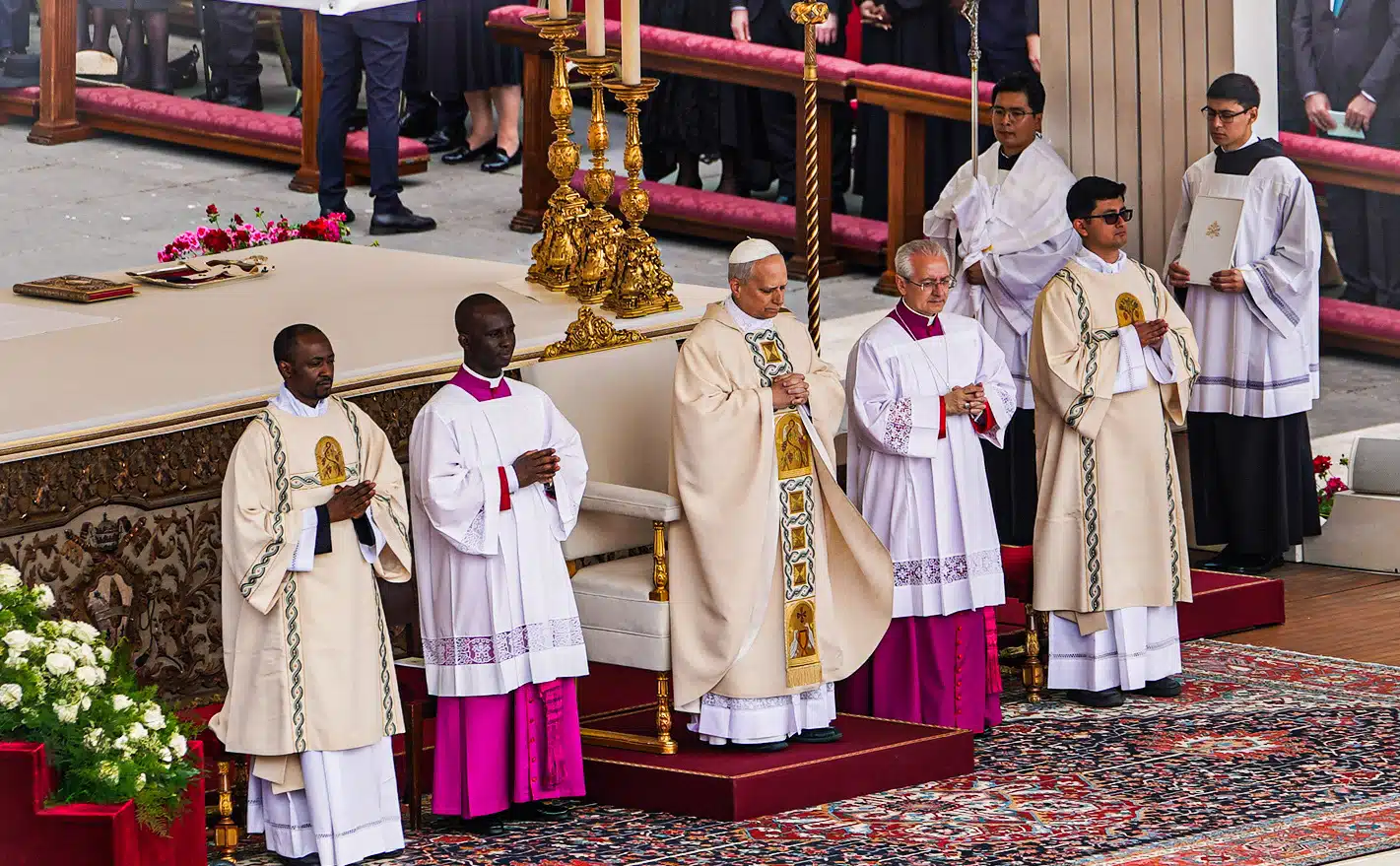
VATICAN CITY, November 25, 2026: Pope Leo XIV has urged governments and individuals to renew their response to the climate crisis after the COP31 summit in Antalya ended without an overarching political agreement. His appeal on Wednesday placed the consequences for communities and future generations at the centre of a debate dominated by diplomatic divisions.
According to Vatican News’ account of his General Audience remarks, Leo expressed concern that the conference had failed to secure clear commitments. He called for shared responsibility, solidarity between countries and changes in behaviour, economic systems and governance.
A human focus after the summit
The Pope’s intervention linked environmental action with human dignity and support for poorer communities. His message was directed both at the international community and at individuals, with an emphasis on the common good and the interests of future generations.
That framing places an ethical question alongside the negotiations: how should present-day decisions account for people who have little influence over them? The appeal does not establish a new treaty or funding mechanism. It seeks to keep attention on the people affected while governments work through the disagreements left unresolved at the summit.
What happened at COP31
The United Nations’ November 23 account said negotiations ended on November 22 after two weeks of talks and two days of overtime. Divisions over fossil-fuel language prevented consensus on the main political text. Some delegations objected that the proposed compromise weakened earlier commitments.
UN Secretary-General António Guterres expressed disappointment but stressed that political disagreement did not change the scientific case for action. The UN report also recorded progress on a just transition and initiatives concerning electrification, resilience and investment. The absence of a final overarching pact therefore should not be described as proof that every discussion or decision at the conference failed.
Attention now turns towards COP32 in Addis Ababa, Ethiopia. Questions over the move away from fossil fuels and financial support for developing countries remain central to the continuing process.
The Vatican’s position during the negotiations
Leo’s comments followed an earlier intervention by Cardinal Pietro Parolin at the summit. In a November 17 statement published by the Holy See’s Geneva mission, Parolin argued that climate discussions concerned lives and dignity as well as technical procedures.
He called for stronger cooperation and investment, with particular attention to poorer people and future generations. His statement also emphasised education, arguing that political and technological measures require cultural changes capable of sustaining them. The position connects household habits and community practices with decisions made by governments and institutions.
Reading the outcome beyond the headlines
An overarching conference pact, a national policy and a completed project are different things. A summit text can set political direction, but a promise becomes tangible only when the relevant authorities implement it. Similarly, failure to agree on a text is a serious diplomatic setback without automatically cancelling every existing climate programme.
For readers, that distinction offers a practical way to evaluate future announcements. A proposed measure should identify who is responsible, what resources support it and when results can be assessed. The same questions apply whether a proposal concerns energy, transport, water management or protection against extreme weather.
The immediate challenge is to prevent the absence of a shared summit statement from becoming an excuse for inaction. Cooperation can be judged through observable decisions and delivery as well as conference language. Clear reporting should follow both, while avoiding claims that a single speech or meeting has solved a global problem.
Wednesday’s appeal adds a moral voice to the pressure for renewed cooperation. The next test lies with the institutions able to turn that pressure into policy and implementation. Until further decisions are announced, the distinction between an appeal, an agreement and a delivered result remains essential.
Reporting note: Based on Vatican News’ November 25 account, the UN’s November 23 summit report and the Holy See’s November 17 statement. The sections explaining how to assess announcements are editorial analysis. The feature image shows Pope Leo XIV at his May 2025 inauguration, not the November 25 audience or COP31.