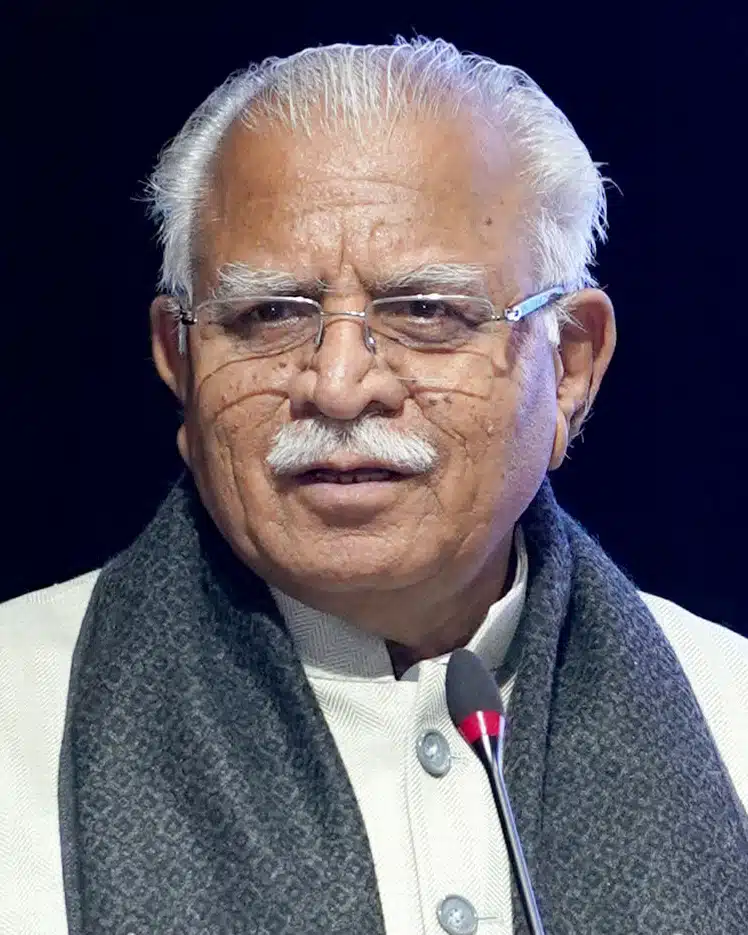
NEW DELHI, November 27, 2026: A two-day Power Ministers’ Conference opened in New Delhi on Friday, with Union Minister Manohar Lal calling for coordinated planning across electricity generation, storage, transmission and distribution. The meeting brings together ministers, officials and regulators from the states and Union Territories to discuss investment needs and implementation challenges.
The Ministry of Power’s November 27 release describes an estimated ₹200 lakh crore investment opportunity over the next two decades. The figure is a statement about the scale of potential sector investment. It is not an announcement that this entire amount has been sanctioned as government expenditure at the conference.
A connected approach to electricity planning
Manohar Lal urged the Centre, states and private sector to work together. The ministry’s account says the meeting will address resource-adequacy plans, energy storage, transmission issues, distribution-company finances and the Revamped Distribution Sector Scheme. Smart metering, feeder separation, household electrification and issues concerning nuclear sites are also on the agenda.
These subjects belong to different parts of the electricity system. Generation produces power; transmission carries large volumes over the grid; distribution delivers it to consumers. Storage can shift the timing of electricity supply. Expanding one part without considering the others can leave a gap between installed infrastructure and the service a consumer actually receives.
The scale of the system
KNN’s report from the conference records Power Secretary Pankaj Agarwal’s statement that installed capacity had reached about 563 gigawatts, with non-fossil sources accounting for more than 55 per cent. He said roughly 60 gigawatts had been added in the previous twelve months, 87 per cent of it from non-fossil sources.
Installed capacity is a measure of generating capability, rather than the actual electricity produced over a day or year. The distinction is especially relevant when comparing technologies with different operating patterns. A capacity share should therefore not be presented as an identical share of electricity delivered to consumers.
The same report says a joint session with the Forum of Regulators and State Electricity Regulatory Commissions is scheduled for November 28. This creates a forum for discussion among policymakers, utilities and regulators, although specific decisions will depend on the outcome of those deliberations.
What resource adequacy means
A Central Electricity Authority planning report explains resource adequacy as ensuring that sufficient generation resources are available to meet expected demand reliably and at least cost. It describes the need to consider changing demand, renewable generation and unexpected outages, rather than relying only on a single headline capacity total.
The report also sets out the ten-year planning requirement for distribution licensees under the June 2023 guidelines. The document is a study prepared for Uttar Pradesh; its state-specific numerical projections should not be applied to Telangana, Andhra Pradesh or India as a whole. Its explanation of the planning approach, however, helps clarify an important item on the national conference agenda.
Why distribution finances are part of the discussion
The ministry said distribution companies collectively recorded a positive profit after tax in financial year 2024–25. An aggregate improvement does not mean every individual utility is in the same position. Sustaining any turnaround requires attention to the conditions of the particular distribution company, including its operations and regulatory arrangements.
For households and businesses, the most useful outcomes will be those that connect sector reform with dependable service. A new meter, a transmission project and a procurement plan serve different purposes. Their value should be assessed through the problem each is intended to solve, its implementation and the resulting consumer experience.
What follows the conference
The immediate next milestone is the November 28 regulatory session. Subsequent announcements will need to clarify any agreed actions, the agencies responsible and the timetable for delivery. A conference agenda is the beginning of that process, rather than proof that the underlying infrastructure work has already happened.
Reporting note: Based on the Ministry of Power/PIB release, KNN’s conference report and CEA’s resource-adequacy explanation. Technical distinctions and questions about implementation are editorial context. The feature portrait of Manohar Lal was photographed in January 2026, not at this conference.