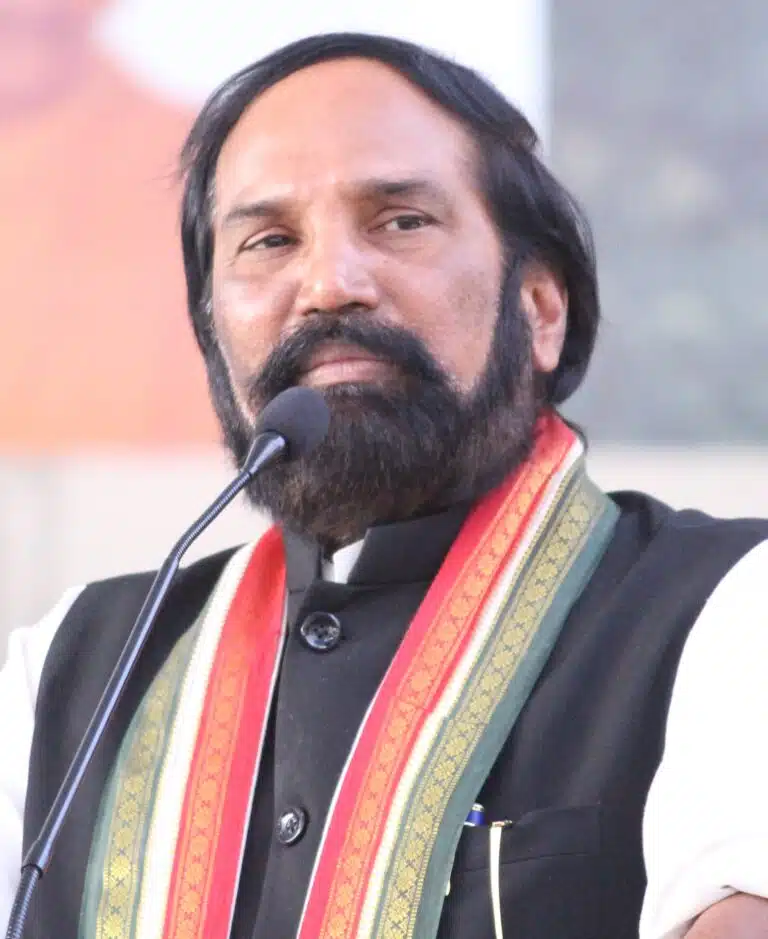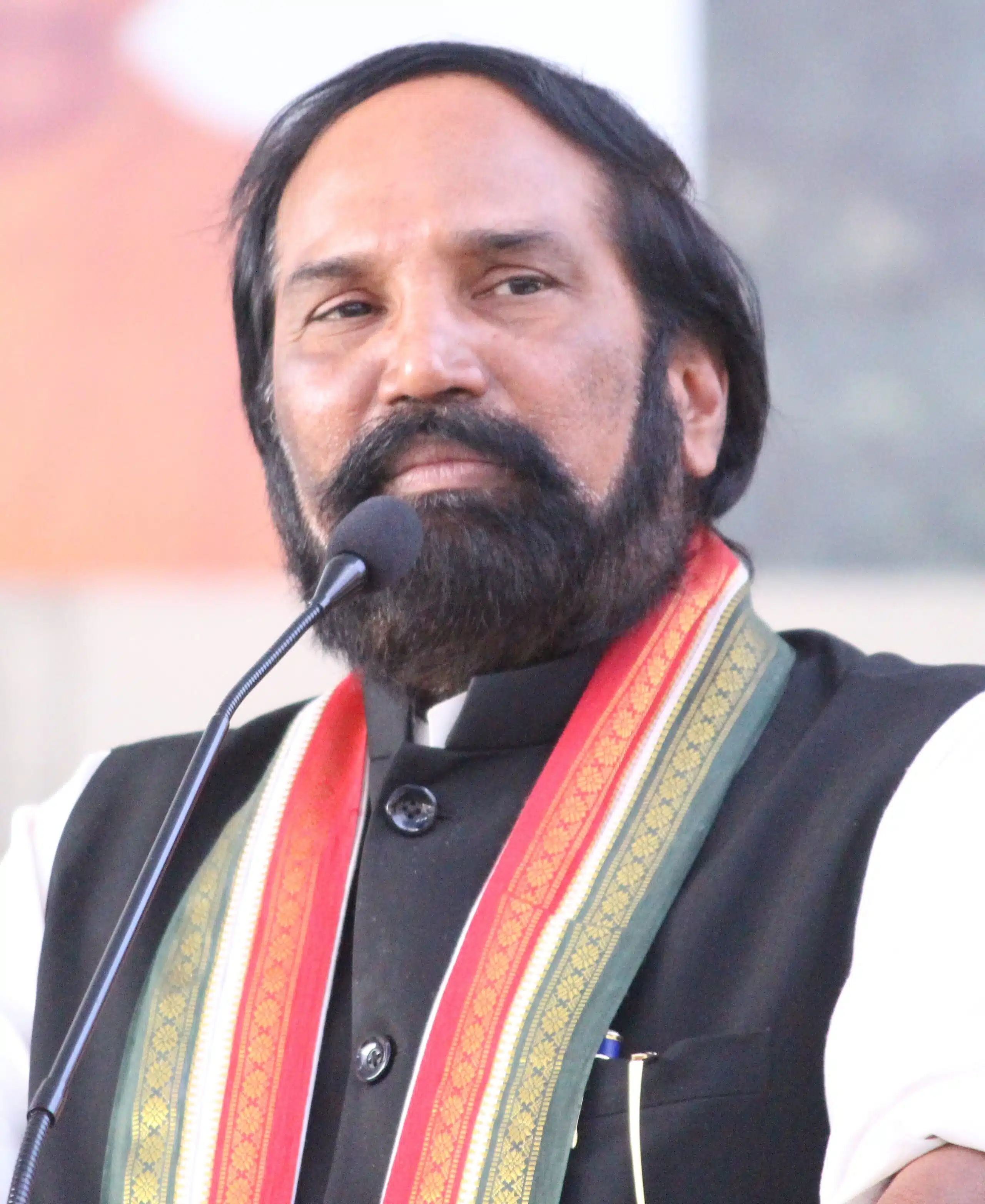
HYDERABAD, November 27, 2026: Telangana is preparing a ten-year climate-resilience agenda ahead of a December conclave that will bring water security, agriculture, urban challenges and clean energy into a shared policy discussion. Preparations for the November 27 curtain-raiser place Irrigation and Civil Supplies Minister N. Uttam Kumar Reddy at the centre of the initiative.
The proposed Telangana Climate Resilience Agenda 2026–2036 is intended to guide the state’s response to emerging climate risks. A November 27 report by The Hans India describes five round-table themes: water and irrigation; urban climate and public health; forests and biodiversity; resilient agriculture and livelihoods; and renewable energy and the circular economy.
A state agenda with local participation
The report says farmers, sarpanches, women’s self-help groups, fishermen and forest-protection representatives are expected to contribute alongside scientists and technical specialists. The planned main programme is associated with the December 7–9 Invest Telangana Global Summit at Bharat Future City.
That mix of participants is significant because the same weather-related pressure can affect communities differently. A village dependent on seasonal irrigation has different operational needs from an urban neighbourhood managing heat and water demand. A useful state agenda would connect those local experiences with the departments responsible for implementation, rather than treating climate resilience as a single construction project.
How the proposed discussions could become action
NTV Telugu’s November 27 preview identifies ITC Kakatiya in Hyderabad as the curtain-raiser venue. It says discussions are intended to identify immediate priorities under each theme and report them to the Chief Minister.
The preview also describes proposed work on drought preparedness, heat protection, district-level early warnings, greener energy and waste reuse. It reports plans for short- and longer-term targets and responsibilities for government departments. Those remain reported programme intentions; they should not be read as confirmation that every project has been approved, funded or completed.
The practical next step is publication of an action plan that connects a stated problem with an accountable department, a delivery date and measurable results. For example, a water-conservation commitment becomes easier to assess when it identifies the locations involved and the work to be undertaken. A general promise to improve resilience gives readers less information about delivery.
The El Niño context
Preparations have also focused on El Niño-related risks. The India Meteorological Department’s outlook for November 2026, issued at the end of October, reported very strong El Niño conditions in the equatorial Pacific and said model forecasts indicated their likely continuation during November–December.
That document is a monthly and seasonal outlook, rather than a forecast of the weather on a particular day in Hyderabad. Its broad climate signal should not be translated into a claim that every Telangana district will experience the same rainfall pattern or that a specific future drought is certain.
IMD’s document explains that extended-range forecasts are complemented by shorter-range updates. For local decisions, the distinction matters: seasonal information can support preparedness, while current district forecasts and official warnings are needed for immediate weather-sensitive activity. This report does not issue a new weather alert.
What residents can look for next
The December programme will provide an opportunity to see whether the proposed agenda develops beyond broad themes. Relevant details include how local consultation influenced the final priorities, whether funding sources are identified and how progress will be reported to the public.
There is also an important difference between a ten-year policy direction and the work scheduled for the next few months. Readers should be able to identify which measures are immediate, which require further study and which depend on later investment or approval. Keeping those stages distinct makes the eventual plan more useful to communities and easier to scrutinise.
For now, the confirmed news is the preparation of a climate-resilience framework and the announced programme of discussion. The detailed agenda, any formal commitments and subsequent implementation will determine its practical value for Telangana.
Sources: The Hans India and NTV Telugu reports dated November 27, plus IMD’s previously issued November outlook. Implementation questions are editorial analysis. The feature photograph shows Uttam Kumar Reddy in December 2017, not the current event.